Aamina Kaskar
Mafia Queens of MumbaiAamina Kaskar occupies a small but deeply resonant place in the chronicle of Mumbai's underworld: she is the mother of Dawood Ibrahim, the man who would become the city's most feared don. In the book's account, she is introduced not as a figure of power or crime, but as the wife of Ibrahim Kaskar, a police constable, and a woman whose domestic life was intimately bound up with the very forces of law and order that her son would come to defy. Her significance lies in the stark contrast between her unremarkable, respectable household and the monstrous criminal enterprise that emerged from it, a contrast that gives her appearances a tragic weight far beyond their brevity.
Identity and Family Background
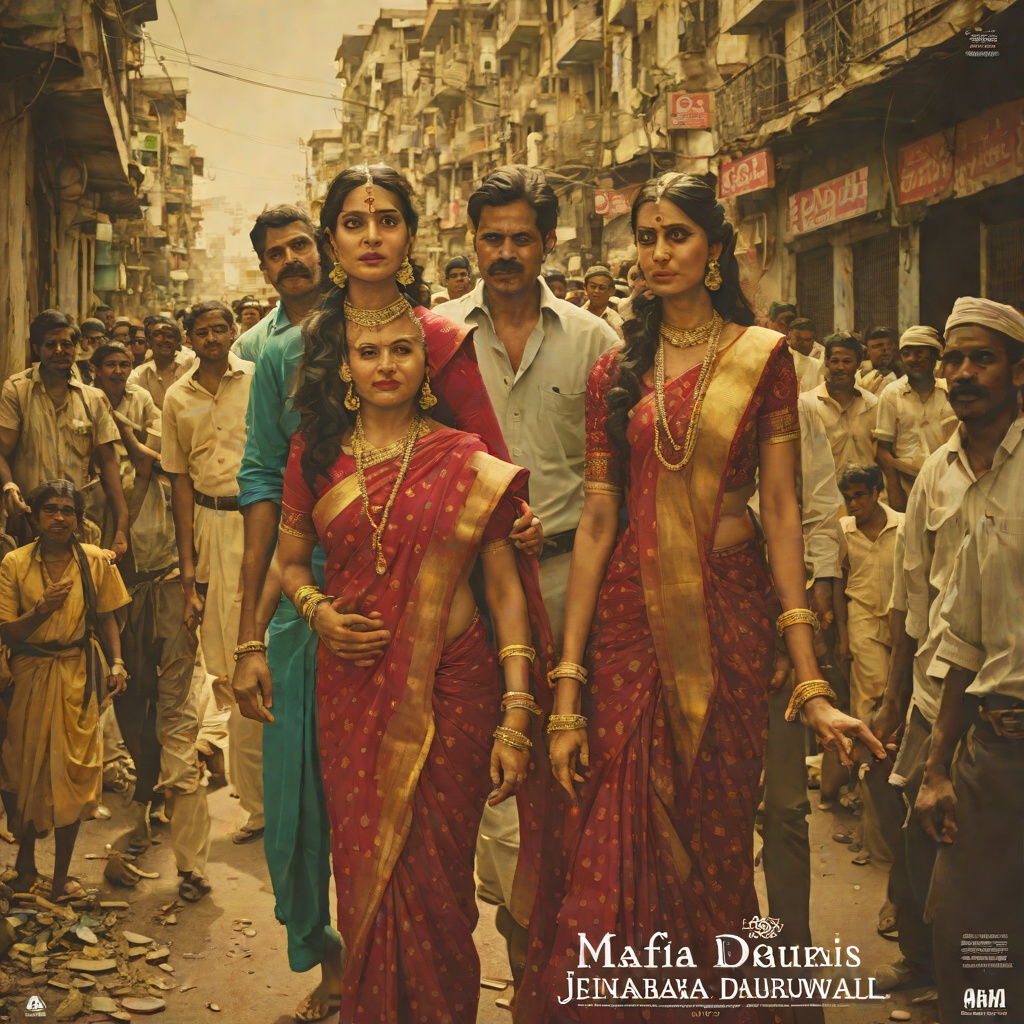
Aamina Kaskar is presented as the wife of Ibrahim Kaskar, a police constable, and the mother of Dawood Ibrahim. During the era of prohibition in Bombay, when the bootlegger Jenabai Daaruwali was amassing her fortune, the Kaskar family became close to the woman who would later be known as a mafia queen. The book records that Jenabai developed friendly relations with the police during this time, and that Ibrahim Kaskar and his wife Aamina were 'like family' to her. Their children, including the young Dawood, treated Jenabai as a second mother. This domestic intimacy between a future crime lord's family and a prominent bootlegger is presented as a natural outgrowth of the era, when the lines between law enforcement and the illicit liquor trade were blurred by the city's prohibition laws. Aamina's household, presided over by a police constable, was thus a place where the seeds of the underworld were quietly sown, with Jenabai's presence in their home serving as a bridge between the respectable world of the police and the shadowy world of bootlegging.
A Mother's Grief and Shame
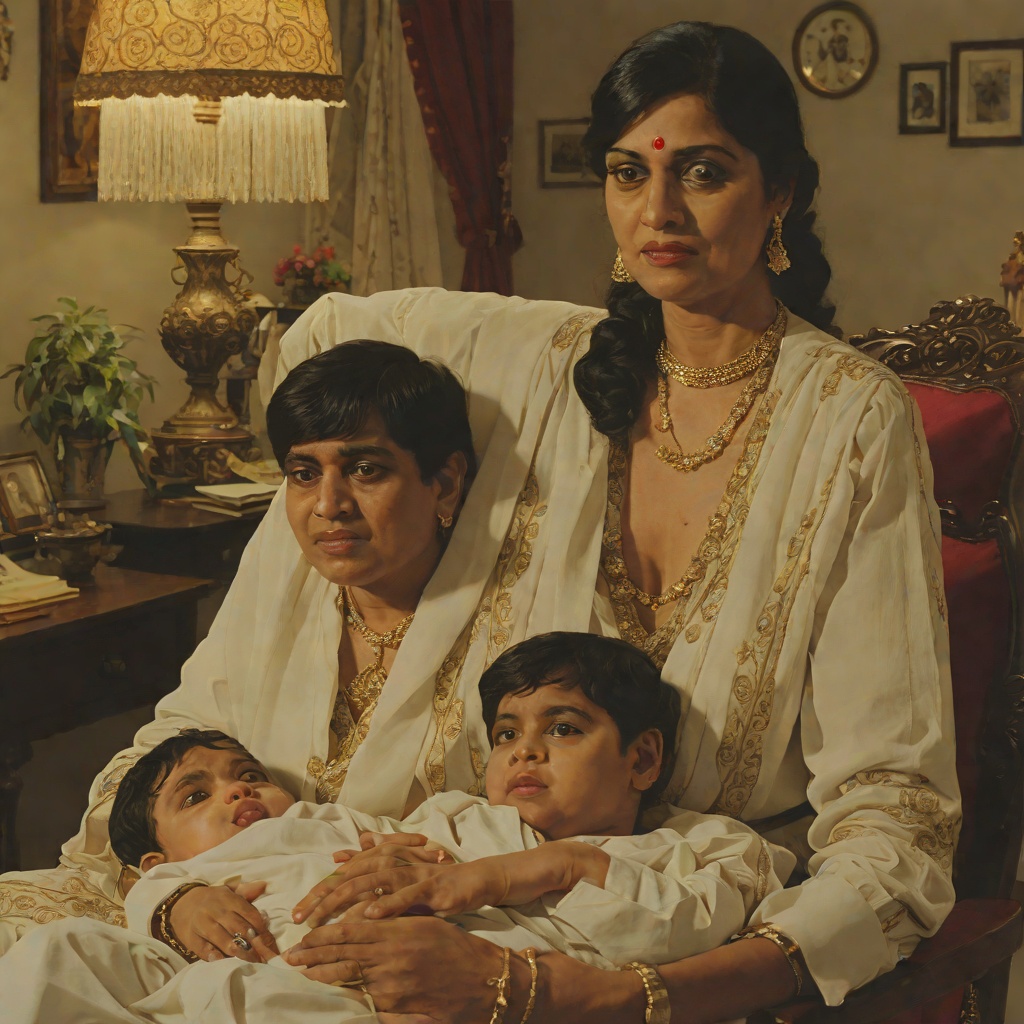
Aamina's most significant appearance in the narrative comes during a moment of family crisis, when her son Dawood has committed an act that has brought shame upon the family. The scene unfolds with Jenabai visiting the Kaskar home, having heard about Dawood's latest transgression. Ibrahim Kaskar, red with anger, vents his frustration to Jenabai, declaring that Dawood has stripped him of the respect he once held among the police fraternity. Aamina, however, responds not with anger but with tears. She comes in with tea for Jenabai, and the two women embrace. 'Our bad days are here, Aapa. Dawood has done it again,' Aamina says, crying as she releases herself from Jenabai's embrace. The moment is striking for its raw domesticity: a mother weeping over a wayward son, seeking comfort from a woman who is not family but who has become like a sister. Jenabai's response is telling—she tries to console Aamina, insisting that Dawood is 'a nice boy' and not at fault, a defense that only further enrages Ibrahim, who points out that the victim, Hamid Chuha, is lying in the ICU, caught between life and death, and that the police have already visited the house twice. Aamina's tears in this scene are not just those of a mother worried for her son; they are the tears of a woman who sees her family's good name crumbling under the weight of Dawood's actions, and who finds herself caught between her husband's fury and her own maternal love.
The Human Cost of the Underworld
Aamina's role in the book, though brief, serves a crucial narrative function: she humanizes the origins of the underworld. The book is a collection of stories about women criminals, and its author explicitly states that it is an attempt to understand the complex minds and psyche of women criminals, without glorifying them. Aamina is not a criminal herself, but her presence in the narrative reminds the reader that the men who would become the city's most feared gangsters were once sons, brothers, and husbands, raised in ordinary homes. Her grief-stricken plea to Jenabai—'Our bad days are here'—is a lament that echoes the broader tragedy of the book's world, where families are torn apart by the violence and ambition of the men who rule the streets. In this sense, Aamina is a figure of pathos, a woman whose life is overshadowed by the choices of her son, and whose tears offer a glimpse of the private sorrow that lurks behind the public spectacle of crime. Her story, like those of the other women in the book, is a reminder that the underworld is not a separate realm but a product of the very families and communities it devastates.